

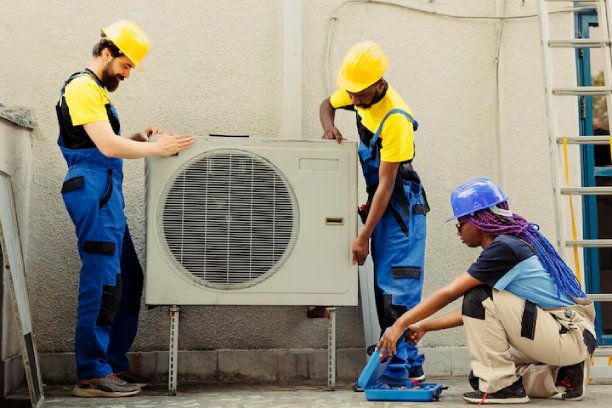
Repair is a specialized field that focuses on fixing and restoring objects or systems back to their original working condition It involves diagnosing issues replacing faulty parts and ensuring optimal functionality. Repair services are maintaining the longevity of various products equipment and infrastructure

Repair is a specialized field that focuses
on fixing and restoring object

Repair is a specialized field that focuses
on fixing and restoring object

Repair is a specialized field that focuses
on fixing and restoring object

Repair is a specialized field that focuses
on fixing and restoring object
AC machines are one of the most relied-upon appliances in our homes. They work hard behind the scenes to keep our clothes clean and fresh, often running multiple loads a week. But like any other appliance, AC machines can break down or develop problems over time. The good news? Not every issue requires an expensive call to a repair technician. In many cases, you can troubleshoot and fix the problem yourself with a bit of knowledge and patience.
In this guide, we’ll go over the most common AC machine problems, how to fix them, and when it’s best to call in a professional.
Whether your machine is making strange noises or simply not turning on, most issues fall into a handful of categories. Here are some of the most frequent AC machine problems:
This is a frustrating issue, but the fix could be simple. First, check that the machine is plugged in and that the outlet is working. Try plugging in another appliance to confirm.
Other possible causes:
If the door or lid isn’t closing properly, the machine won’t start as a safety precaution. Make sure it's fully shut and listen for a clicking sound that indicates the switch is engaged.
If your washer isn’t filling with water:
If your washer won’t drain:
Leaks can come from several places:
Unusual noises are usually signs of:
Front-loading washers are especially prone to musty smells. Causes include:
